
Diamond Naturals, Zignature, Pedigree, Stella & Chewy and homemade – What do all these names mean in the dog food world? Nowadays that answer depends 100% on who you ask. Each one of these names represents a different niche in the dog food industry. Each one of these brands are aimed at a different group of dog owners. Marketing has played a huge role on the opinion people have on what they feed their dog.
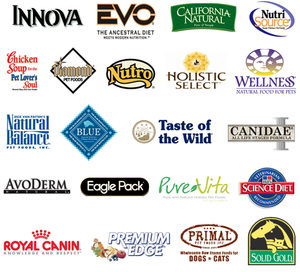
The marketing departments have worked tirelessly to ensure they can remain competitive in this market. There are three common terms in today’s marketing campaigns. The first is “Holistic.” The FDA states they have no legal definition for this term, but according to Merriam-Webster the definition of holistic is “relating to or concerned with wholes or with complete systems rather than with the analysis of, treatment of, or dissection into parts.” Carrying over to the dog food world, this term is used to grab the attention of someone who lives the holistic lifestyle, or someone who is looking for foods that are balanced. The Canine Journal explains the purpose of holistic food is to “not only to provide dogs with optimal nutrition, but also to support overall well-being.” The second term is “Natural.” In the dog food world natural is synonymous with good and healthy. The Association of American Feed Control Officials (AAFCO) definition of natural is quite lengthy, but Marion Nestle PhD, Malden C. Nesheim PhD explains AAFCO’s definition means “that one can render or extrude a pet food to mush, but it’s “natural” if you haven’t added anything synthetic—unless you had to.” Finally, the third term used is “Organic.” The pet food industry has adopted the USDA’s National Organic Program (NOP) human foods definition of organic, meaning ingredients must be grown and/or treated without pesticides, artificial fertilizers, genetic modification, irradiation, sewage sludge, antibiotics and hormones.
In the United States, pet food is regulated by the U.S. Food and Drug Administration (FDA); however, AAFCO is the main enforcer of these regulations and also imposes penalties and violations. It is almost impossible for either organization to actually regulate the dog food companies as they are not required to disclose the origin of their ingredients, many of which come from overseas, so knowing the true quality of the ingredients to predict recalls is almost impossible. Because the dog food companies get their ingredients from different sources the quality in batches can vary daily. A good company will use trusted sources, but some use brokers, middlemen or even 3rd party suppliers. What does Association of American Feed Control Officials do? AAFCO sets the standards for animal feeds and pet foods in the U.S. but has no regulatory authority. For that they must work with the FDA. AAFCO does require that food must meet “Complete and Balanced” standards. Therefore, the dog food companies offer food for different stages of life. They also complete feeding trials and lab analysis for 6 months prior to giving their approval.
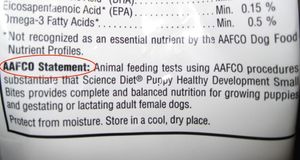
In order to have the AAFCO label the food must be deemed “Complete and Balanced.” The product must contain all nutrients known to be required for a dog and must contain the minimum nutrients required by AAFCO. Treats, snacks and other supplemental feeding products are not covered under AAFCO.
The good news is that there is a lot of information available on dog food.. Because it is a huge consumer driven industry, many specialty store associates, veterinary offices and breeders are offered training on various products. These professionals will be able to guide consumers to the products they carry that fit the needs of your animal. They can help read and understand the labels to address any medical conditions or special needs. There is a food for every lifestyle, size and age. They can explain the difference between grain and grain-free and different proteins that may be in the food. These professionals can also help with how much of a specific food a dog should be eating and how often. Just like with people, every dog is different and has different nutritional needs, diet requirements, etc.

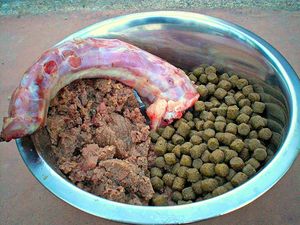
There are five types of dog food diets; Dry, canned, semi-moist, raw and homemade diets. The most common type is dry dog food. This is generally the cheapest and easiest food to store. Canned food is normally given to small dogs and dogs who are unable to chew kibble. Large breed dogs are almost never fed a canned food diet long term as it is not cost effective to be fed solely. A 50lb dog would need to eat 6-8 cans of food a day. Canned dog foods have high amounts of meat, poultry and fish so for dogs that need extra protein added to their diets this can be a great addition to their kibble. Semi-moist foods are generally loaded with extra chemicals that keep them from drying out or falling apart. Raw diets have a lot of controversy around them, so before starting your dog on a raw diet, it would be beneficial to consult with a veterinarian who is knowledgeable with feeding raw. It is important to note that raw diets are not formulated to meet AAFCO standards. Homemade diets are almost never balanced enough and will need some sort of supplements to ensure they are getting everything they need nutritionally.
Regardless of the dog food type there are a couple key points to remember. Cat food is not nutritionally balanced for a dog and can cause gastrointestinal upset, obesity, and pancreatitis. Table scraps especially cooked bones are often too fatty and can cause vomiting, diarrhea and obesity. Cooked bones can splinter and get lodged in their throat. Remember it is always a good idea to ask a professional or someone who has knowledge about dog food for help. For those who are self-researchers there are a couple things to look for. An AAFCO label and the specific ingredients are key to look at. For ingredients, foods that contain meat protein it should be in the top three listed. Whole grains, vegetables and fruits are also ingredients to look for on the label. Foods that have artificial colors should be avoided as well as foods with products that have passed their expiration date.
Remember next time you see an ad on tv or cool artwork on a bag of dog food, to focus on what really matters to your specific dog and not what the marketing department wants you to believe. Use knowledgeable resources and take a couple minutes to look at the bag of food you are about to purchase. Don’t purchase a bag of food based on an ad or cool feature that company has, like antioxidant pellets without researching if its truly important to your dog’s diet. Most importantly monitor your dog. Pay attention to dry skin, tartar on teeth, ear infections, stool consistency or Frito smelling skin. These will all tell you if something is going on with your dog that you need to address.